40 Years Ago, Konami Changed the Video Game Industry Forever
Overview & Key Takeaways
Four decades after it released, Konami's classic platformer continues to inspire its competition.
New video games released in recent years might sell well, but they rarely transform the industry as a whole. We’ve played too many games across too many genres to believe there’s much left to explore that’s genuinely new. Thanks to the diverse lineup of games already available, we don’t see as many paradigm shifts as we did 40 years ago, when Konami changed the video game industry forever with Castlevania.
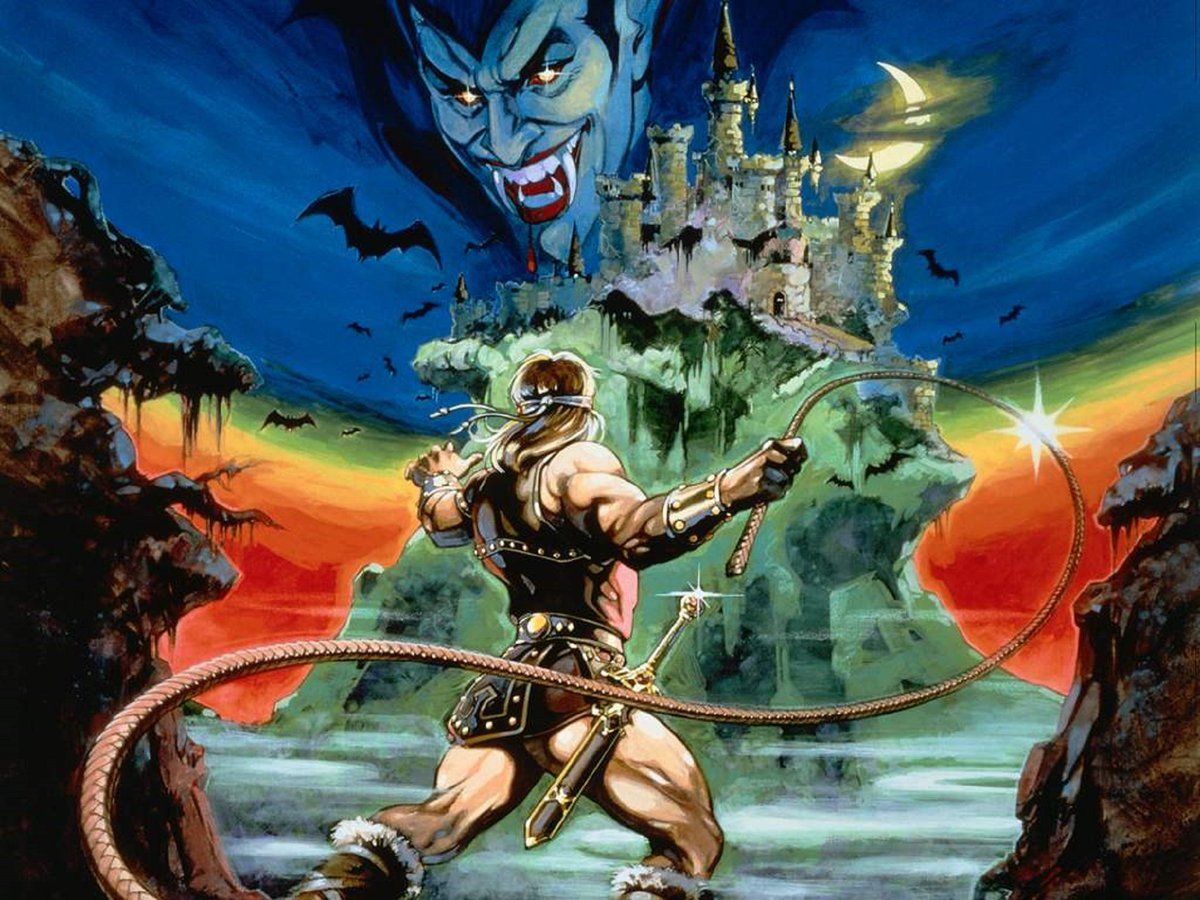
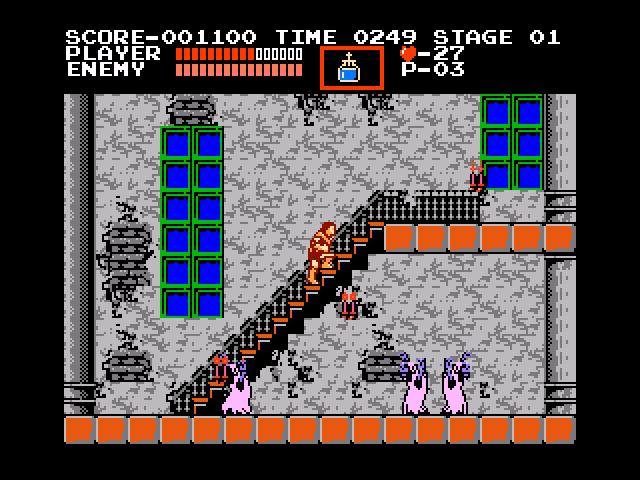
First released in Japan on the Famicom Disk System as Akumajou Dracula on Sept. 26, 1986, Castlevania is a 2D platformer that kicked off a beloved series of games chronicling the adventures of the Belmont clan as they battle Dracula. To face that powerful nemesis, players must first vanquish a variety of creatures drawn from horror mythology, while navigating a treacherous castle filled with pits, staircases, gears, and dubious chicken feasts.
Konami Collector’s Series: Castlevania & Contra
Image: Konami
Back in 2018, Polygon ranked the best Castlevania games of all time. The sprawling list included more than 30 titles. Selections included portable triumphs (and disasters), a puzzle game, arcade releases, a fighting game, and plenty of platformers in 2D and 3D. The franchise has evolved a lot over the years, taking some surprising detours along the way with varying degrees of success. But all of that began with Simon Belmont’s journey into a castle in search of Count Dracula.
Castlevania didn’t last long if you played it right. Six stages hardly feels like a lot by today’s standards. They weren’t even particularly long ones. However, they were surprisingly atmospheric and fiendishly difficult, even when players equipped themselves with powerful subweapons like daggers, axes, holy water, and crosses.
A lot of the challenge came from the fact that the instant Simon jumped, he committed himself. Mario can easily turn in the air to stick the landing. Unfortunately for Simon, Castlevania’s physics often propel him head-first into a floating Medusa head, or a bottomless abyss that stretched further than he thought. Deaths came fast and frequent. No matter how far players had progressed, a few fumbles sent them back to the start of the stage for a fresh attempt. In the days before save states, early runs through the game’s candle-lit corridors were battles of attrition, requiring legendary perseverance to reach the fiendish boss encounters waiting at the end.
 Image: Konami
Today’s developers have clearly taken a great deal of inspiration from Castlevania. We see its influence in the likes of the Dark Souls games from Hidetaka Miyazaki, which employ a similar aesthetic to terrific effect, and have also learned from its fair but challenging mechanics. Just two years ago, developer poncle released the Vampire Survivors Ode to Castlevania DLC, which features characters from across the Castlevania series.
Because Castlevania also led eventually to Castlevania: Symphony of the Night, half the basis for the “Metroidvania” subgenre, the original game also deserves partial credit for indie fare such as the Momodora series, Hollow Knight, the Ori games, and Dead Cells. Koji Igarashi, who directed multiple Castlevania games, also crowdfunded Bloodstained: Ritual of the Night in 2015, a year after leaving Konami. That game spawned a beloved series of its own.
Castlevania’s influence persists to this day. Dead Cells achieved enough success to lead to Return to Castlevania DLC, which functions as a crossover between the two franchises. And that DLC did well enough for itself that the same team is working on the upcoming Castlevania: Belmont’s Curse, due in October for Nintendo Switch, PlayStation 5, Windows PC, and Xbox Series X/S.
That’s a lot of influence for one unassuming platformer about an adventurer with a whip in an old castle, and there’s ample reason to expect that the franchise Castlevania launched will go on inspiring new creators for decades to come.