Ryan Gosling’s Near-Perfect Sci-fi Movie Officially Becomes an HBO Max Streaming Hit
🎮 Multi-platformNews
#Movies#Blade Runner 2049#Blade Runner#Blade Runner 2099

Ryan Gosling’s Near-Perfect Sci-fi Movie Officially Becomes an HBO Max Streaming Hit

Polygon RSS FeedSam Hill3 min read(about 5 hours ago)

Overview & Key Takeaways

Ryan Gosling and Harrison Ford’s acclaimed sci-fi sequel Blade Runner 2049 has found a new streaming home on HBO Max.

Ryan Gosling has built one of Hollywood’s strangest little sub-specialties with some of his most recent movies: being a sad, handsome man in space.

At some point, you have to imagine Gosling told his agent, “Get me more doomed sci-fi.” Since then, he’s played Ryland Grace in the massive space drama Project Hail Mary, Neil Armstrong in Damien Chazelle’s First Man, and he’s already booked his next trip beyond Earth by starring in Star Wars: Starfighter, the stand-alone Shawn Levy-directed movie coming next year.

But before Gosling heads to a galaxy far, far away, one of his best sci-fi thrillers is getting another moment on streaming. A modern classic starring Gosling was recently added to HBO Max, and it has already shot to the top of the service’s movie charts.

That movie is Blade Runner 2049, Denis Villeneuve’s gorgeous sequel to Ridley Scott’s 1982 sci-fi landmark Blade Runner. According to FlixPatrol, the movie is the No. 1 on HBO Max worldwide right now — a contrast to the 2017 movie's meager performance at the box office. (Blade Runner 2049 only made $277 million worldwide against a $150 million budget.)

What is Blade Runner 2049 about?

To understand Blade Runner 2049, it helps to start with the original Blade Runner. Scott’s 1982 movie is set in a dystopian future Los Angeles where artificial humans known as replicants are used for labor and hunted down when they go rogue. Harrison Ford stars as Rick Deckard, a “blade runner” whose job is to track and “retire” escaped replicants.

That movie is free to watch on YouTube right now, if you need to catch up.

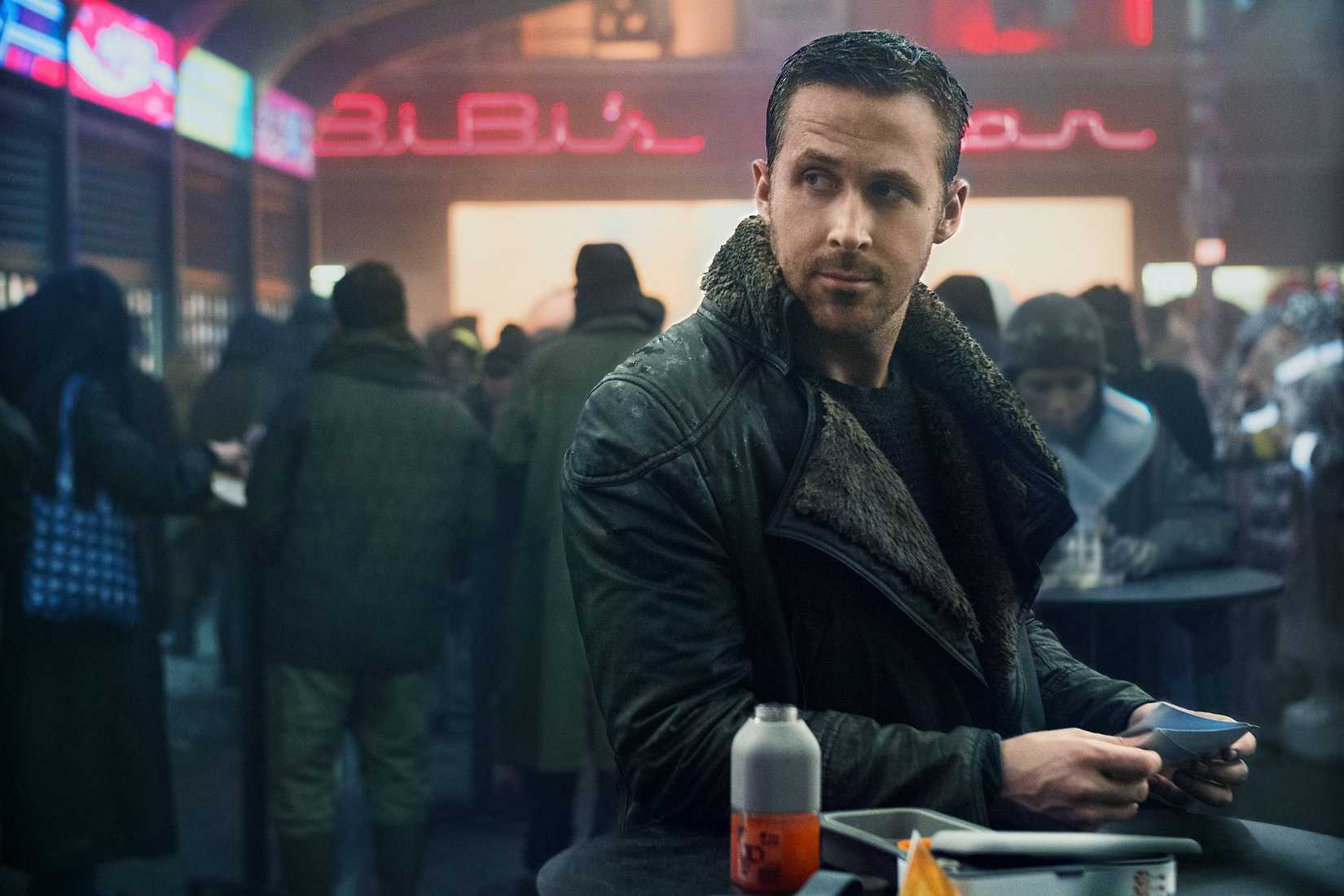
Ryan Gosling looks across a crowded room in Blade Runner 2049 Photo: Stephen Vaughan/Warner Bros. Pictures

Blade Runner 2049 picks up decades later and follows Officer K, played by Gosling, a new blade runner working for the LAPD. K uncovers a buried secret that could destabilize the fragile order between humans and replicants, sending him on a search that eventually pulls him toward Deckard and the mysteries left behind by the original film. It is a detective movie, a dystopian romance, and a slow-burn sci-fi thriller all at once.

When Blade Runner 2049 was released in 2017, Polygon’s review praised it as a rare legacy sequel that actually justified returning to a beloved classic. The film reaches back to the original without simply repeating it. Its neon-soaked cities, desert-orange ruins, and thunderous score make the future feel familiar and disorienting at the same time.

The 7 best Harrison Ford cash grabs, ranked Image: Warner Bros. via Everett Collection

Blade Runner 2049 holds an 88% critics score on Rotten Tomatoes, with reviewers praising its stunning visuals and haunting score.an 88% critics score on Rotten Tomatoes

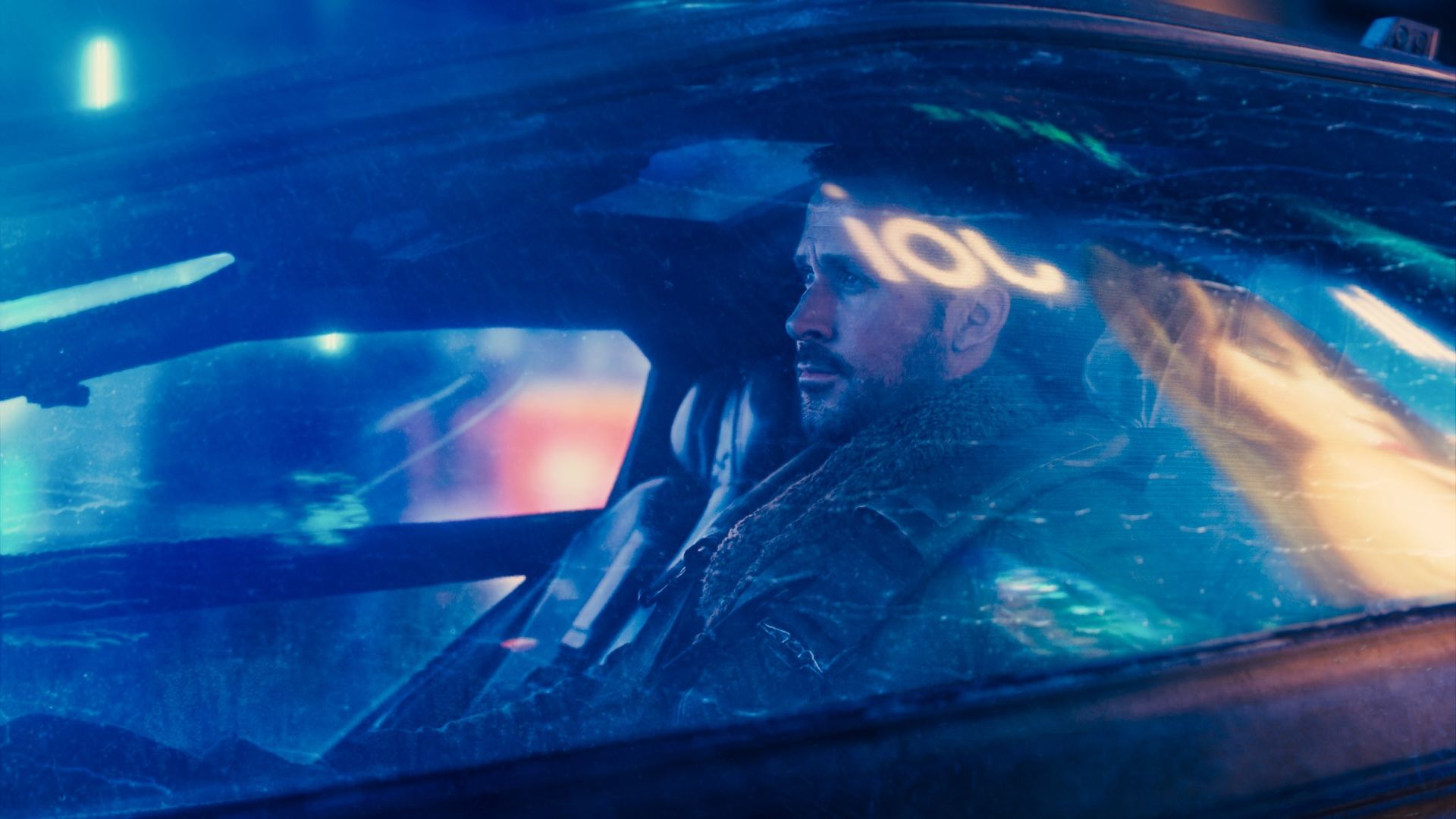
Blade Runner 2049 also remains one of Gosling’s most memorable sci-fi roles, giving him a quieter, lonelier kind of hero than the ones usually found in massive genre movies. And with Prime Video’s Blade Runner 2099 on the way, the movie now feels like a key bridge between Ridley Scott’s original nightmare and the franchise’s next future.

Share:

More in Multi-platform

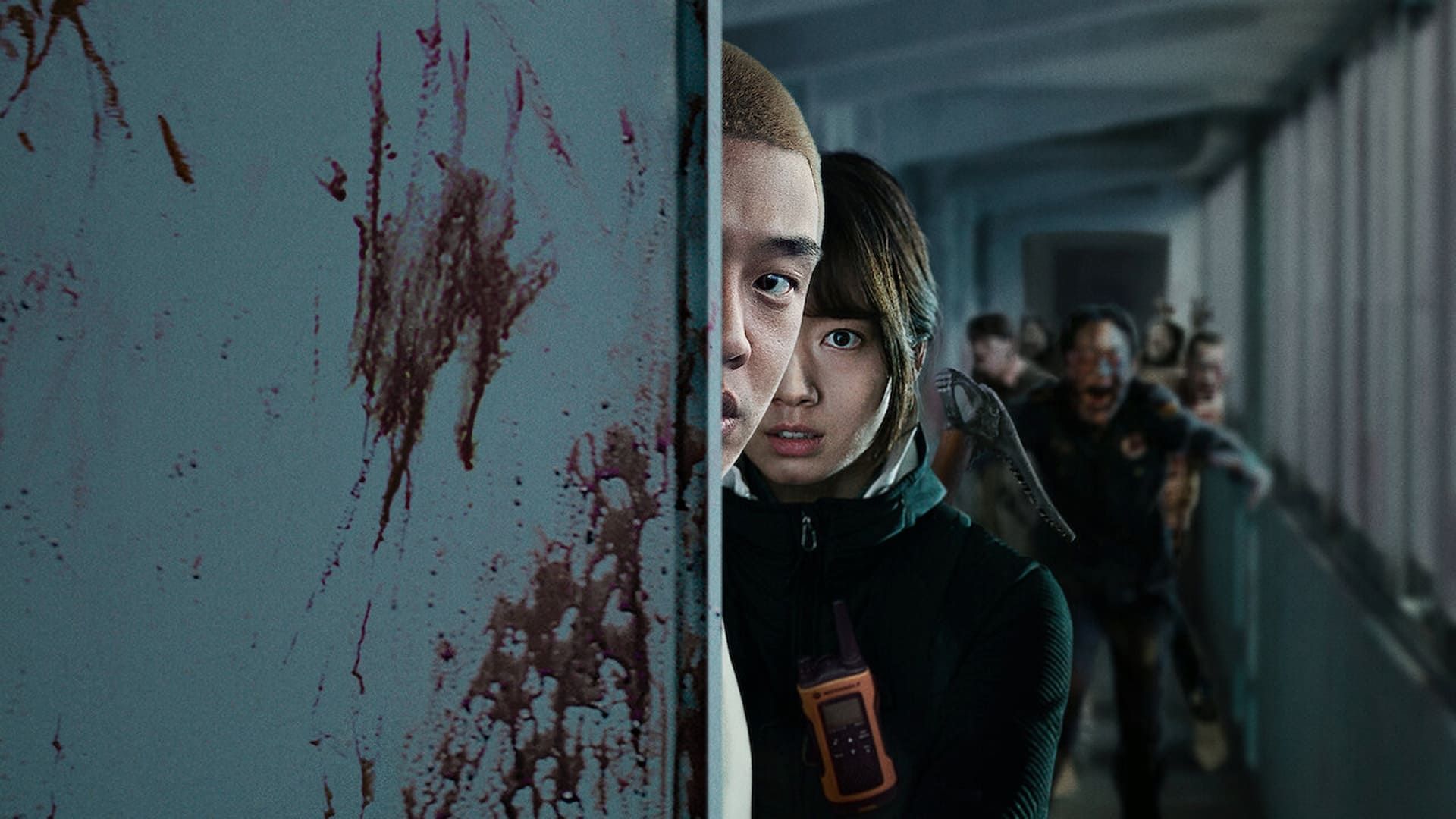
Netflix's Gritty Horror Sleeper Hit Is Still One of the Decade's Best Zombie Movies🎮 Multi-platform

Netflix's Gritty Horror Sleeper Hit Is Still One of the Decade's Best Zombie Movies

It's also a good reminder to keep a month’s worth of ramen on hand at all times

🎮 Resident Evil🎮 Netflix's Gritty Horror Sleeper Hit
PolygonNewsabout 2 hours ago
NBA 2K’s Best Mode Is Even Better This Year🎮 Multi-platform

NBA 2K’s Best Mode Is Even Better This Year

NBA 2K has long been the standard-bearer for high-quality sports games. It's the pinnacle that other series like Madden, FC, and even the oft-beloved MLB The Show aspire to emulate in whatever ways their respective sports allow. That's not to say it gets everything right, but it often feels like the team at Visual Concepts is competing against itself. It creates trends; it doesn't chase them. That's always been most obvious in The City, the series' social PvPvE hub and the lifeblood of the game's community. Though some other parts of the game are more uneven with this year's entry, The City proves that if you only plan to play one sports game this year, NBA 2K27(https://www.gamespot.com/games/nba-2k27/) is the way to go. The City is where players can meet up for basketball games of varying sweat levels, buy cosmetics, and complete live-service challenges--it is the center of NBA 2K27's solar system. This hub is thoughtfully attached to the single-player MyCareer mode at the proverbial hip, and this pairing offers more enjoyable and immersive things to do as a tandem than most other sports games taken in their totality. This year, The City makes several smart changes. At the core of it all is the long-awaited ability to import custom women characters into the mode. Aesthetically, this is a nice change that lets the hub world better reflect real-life streetball communities--it's always been true that women have existed in these spaces in real life, so they should be included in NBA 2K, too. However, this positive change does come with a frustrating caveat: The MyCareer mode doesn't account for them, thereby siloing these women avatars into The City exclusively. Plus, this requires anyone who wants to run around in The City as a woman to create a second avatar as a man if they want to go into MyCareer's story mode. So as awesome as this all is to see, it also feels like a frustrating half-step forward. !(https://www.gamespot.com/wp-content/uploads/2026/09/NBA-2K27-The-City-Female-MP-Gameplay.jpg?w=636) Finally bringing women avatars into The City makes for a more diverse and dynamic social space. New landmarks in The City, Casual Corner and Crew HQ, build out the virtual world to be much more inviting and social. In Casual Corner, beginner-friendly pick-up games, including some that are co-op PvE against rather lowly bots, are happening whenever you want to queue for them. Meanwhile, NBA 2K's clan-like "Crews" system gets a big upgrade in Crew HQ, a space for you and your crew to meet up, practice, play crew-only games, and socialize. These two additions will better onboard new players and, by being tied to the Learn 2K suite added in recent years, speak to the team's commitment to not feel so dizzying to new players. They also become two more diverse ways to play in a hub world already full of so many different offerings, from ultra-sweaty Proving Grounds games that ditch the shot meter to The Rec's full-length 5v5 games. There's always The Park too, where some players spend the entire year building out their in-game legend and dominating on a particular court as though they actually live in the neighborhood. In more than one corner of the game's social world, these various modes feel big enough to allow you to commit to any of them exclusively and still find a lot to love. My favorite of The City's modes, Street Kings, is akin to Mortal Kombat's Towers: PvE games against boss-type ballers that escalate in challenge with every match, and where a hype man and an energetic crowd of NPCs cheer you on like a classic And 1 game. Since it first appeared in the series two years ago, it's become my favorite way to play multiplayer in NBA 2K because it allows me and my brother to make lots of progress in The City's various progress bars, like player and season XP, without bumping into players who disrupt the more casual vibe we're aiming for. Of course, every year I'm compelled to shine a spotlight once more on the over-monetized aspects of The City. Visual Concepts is extremely adept at partnering with authentic-feeling brands that create aspirational cosmetics to purchase and unlock in The City, and that's fine with me, even in its abundance. Personally, I loved getting to walk around in a Portland Fire jersey for the first time, as my home city recently rejoined the WNBA. !(https://www.gamespot.com/wp-content/uploads/2026/09/NBA-2K27-The-City-Female-MP-City.jpg?w=636) It's past time for returning players to keep their in-game cosmetics year to year. But I will forever hate that players can spend money to improve their players right away. Paying past the grind that begins with players rated 60 overall (OVR) has long been an additional surcharge on players in the game's marquee mode. It's also true that avatar intricacies like skill badges, takeover abilities, and cap breakers all mean that initial pay-to-win buff is less effective than it may sound. Paying to bring my 60 OVR player to 79 OVR as soon as he steps into The City isn't as big a leap as grinding him to 99 OVR with multiple cap breakers and gold badges. Still, it essentially means NBA 2K is not a $70 game, but closer to a $100 game for anyone planning to play online with their friends. Attributes shouldn't be available with the same universal currency that also buys me my Rose City hat and a pair of virtual Jordans. I'll say it every year, even as it seems this is very much a feature for parent company Take-Two, not a bug. This year's game accidentally shines a light on a related topic, too. With The City taking on the same look (albeit with some added landmarks) as last year's, it serves as a more overt reminder that your purchases don't carry over, even if the virtual world's layout does. I really liked my avatar's Celtics hoodie last year, but seeing it in the shop again for a price, rather than just being available to me for free, felt especially annoying this year. The scenery is nearly identical, but the hoodie was apparently just a rental. There's so much for sale and new things are added frequently; it feels like it's time for NBA 2K to go the way of Fortnite and just let me keep my in-game purchases forever. The City is normally the social aspect of the custom avatar you'll build in the game, with MyCareer being the solo portion, but this year's game has built co-op into the MyCareer experience. However, it's a half-measure for now, and not as exciting as I once hoped when it was revealed. The narrative of MyCareer is much longer than usual this year, and the co-op portion of play only becomes available after several hours. At that time, the G League team you've landed with in the game's branching saga introduces a new teammate of yours in Trace Miller, a fake player invented for the story and meant to be the Player 2 of the story mode. This leaves your co-op friend feeling side-saddled. You can create your own avatar with your own intricately designed player build, even using your own face, but Miller is who he is, for the most part. Though you can choose his starting size and position, the build design tools are much simpler from there. The best version of co-op MyCareer would let both players fully customize their athletes, rather than leaving one feeling like merely the sidekick unlocked after many hours, as this first iteration does. !(https://www.gamespot.com/wp-content/uploads/2026/09/NBA-2K27-MyPLAYER-MP-Builder-2.jpg?w=636) Building your custom player is a richly detailed experience that many in the community treat like a science. The good thing is NBA 2K has long been great at taking an idea and building on it over time, rather than scrapping it if the first year or two don't satisfy players. It's an attribute that has separated this series from some other sports games, and I expect that North Star may affect this mode soon, hopefully for the better. There's a third way to live out the life of your avatar this year: MyCareer Eras. Borrowing the same remarkably deep Eras feature from the team-based MyNBA mode, MyCareer Eras lets you drop your fake player into any decade from the 1980s Bird vs. Magic era onward, thereby time-traveling to the NBA of yesteryear. In any era, you'll see period-specific presentation elements, rules, uniforms, rosters, and even audience attire. Eras were introduced in NBA 2K a few years ago, and they remain the coolest way to play Franchise-style. Though you could drop your avatar into MyNBA Eras last year, that was the extent of it. You were just a player on a team like any other. This year's version is a bespoke narrative experience that puts the spotlight on your player in a bygone era, full of challenges and emergent stories. Taking my avatar to the early 1990s and seeking to paint over the Jordan dynasty is an incredibly fun thing to do, and just like The City--or MyNBA, which, admittedly, takes a backseat in terms of sweeping changes of its own this year--MyCareer Eras is a mode I could enjoy for hundreds of hours. Though MyNBA doesn't get much of a look this year, it at least has received major overhauls in recent years. That's more than I can say for the game's suite of WNBA modes. Over the past three seasons and 2K sequels, my emotional investment in the WNBA has grown a lot, and with a local team making its grand reopening this year, I've been so excited to play as them in 2K. But having grown more attached to the league has led me to see some of 2K's shortcomings when it comes to the WNBA. !(https://www.gamespot.com/wp-content/uploads/2026/09/NBA-2K27-The-W-MP-Action.jpg?w=636) Even with several deep modes on offer, I hope the WNBA modes get more attention soon. For one, The W, its solo avatar analog to MyCareer, doesn't allow you to import your woman avatar from The City, which, like the lack of a truly customizable Player 2 in MyCareer, feels like a half-measure. But in MyWNBA mode, where you take on seasons of a single team, there's a lack of the same care the men's league gets. I'm sure the WNBA modes are played less, but I've always found it commendable how NBA 2K is a hub for all things basketball; only now I'm better able to see some of what's missing, like a robust halftime show and arena-specific ceremonies, the likes of which do exist in the real WNBA but only exist in the 2K version of the NBA. I'm hopeful that, as the league continues to grow, 2K's WNBA modes can grow with it. It's great to see women in the game more, like in The City or in MyTeam, where they first arrived last year, but in their own bespoke game modes, some of the details this studio is otherwise so great at building into the experience are lacking. I've spent a lot of words on not talking about gameplay, which might seem weird, but it's because this year's game feels the most year-over-year familiar to me of any game of recent memory. That's not exactly a bad thing. NBA 2K is a lot of fun on the court. It has been, so it is again. And it's not that the game adds nothing. In particular, I really like the new step-through finishing moves, used to finish a shot after you've lost your dribble. Like other aspects of on-court animations, lots of these are modeled after real players' go-to moves. Visual Concepts has been using ProPlay, its in-house tech that transposes real NBA footage into gameplay animations, in ways that are hard to specifically attribute from outside the confines of the studio, but if ProPlay is why the game looks and feels so good, I'll take it. Combined with the game's continuing efforts to teach newcomers how to play 2K, as well as changes in The City, it feels like the series has never been more approachable. While playing online can bring out any number of cheesy players who seek to break the game in their favor, this is true of all sports games and is usually improved upon if you stick to specific modes, like Rec games, where the crowded court of 5v5 gameplay minimizes any cheesehead's worst intentions. In games against the computer, I continue to be amazed by how different players and teams--even those spanning different eras--have their own playstyles. Playing the Celtics, you'll get a heavy dose of Mazzulla Ball, while the Spurs rightly center everything around the unique size and talents of Wemby. This is a fun basketball game not just because of the depth and breadth of its modes, but also because its foundational gameplay is easy to enjoy and closely resembles watching the real thing. !(https://www.gamespot.com/wp-content/uploads/2026/09/NBA-2K27-MyCAREER-Eras.jpg?w=636) Taking on different eras of the league and the legends who made them memorable remains the coolest mode in sports games. Overall though, if NBA 2K is truly competing against itself, this year's game is a slight step back. While the addition of co-op to MyCareer and women to The City are great first drafts of ideas, they each come with caveats for now that keep them from being as fun as they could've been--and reasonably should've been. On the court itself, NBA 2K is still a lot of fun, but it has seemingly settled into a groove for now, iterating in smaller ways after previous years' bigger leaps. There's room to grow in the WNBA side of the game, though with The City, MyCareer, and Eras modes, it's not short on deeply immersive experiences already. I have enough fun with NBA 2K each year that I tend to delete it from my console after the new year; otherwise, I risk never playing anything else. It can be that good. But just as I was ready to commit to the game for the full year, with my heightened fandom in tow, it's given me an installment I feel more comfortable walking away from--right after I delete the Jordan dynasty and beat all the Street Kings.

🎮 NBA 2K🎮 Madden
GameSpotReviewsabout 6 hours ago
The Video Games And More You Should Play This Weekend – September 4, 2026🎮 Multi-platform

The Video Games And More You Should Play This Weekend – September 4, 2026

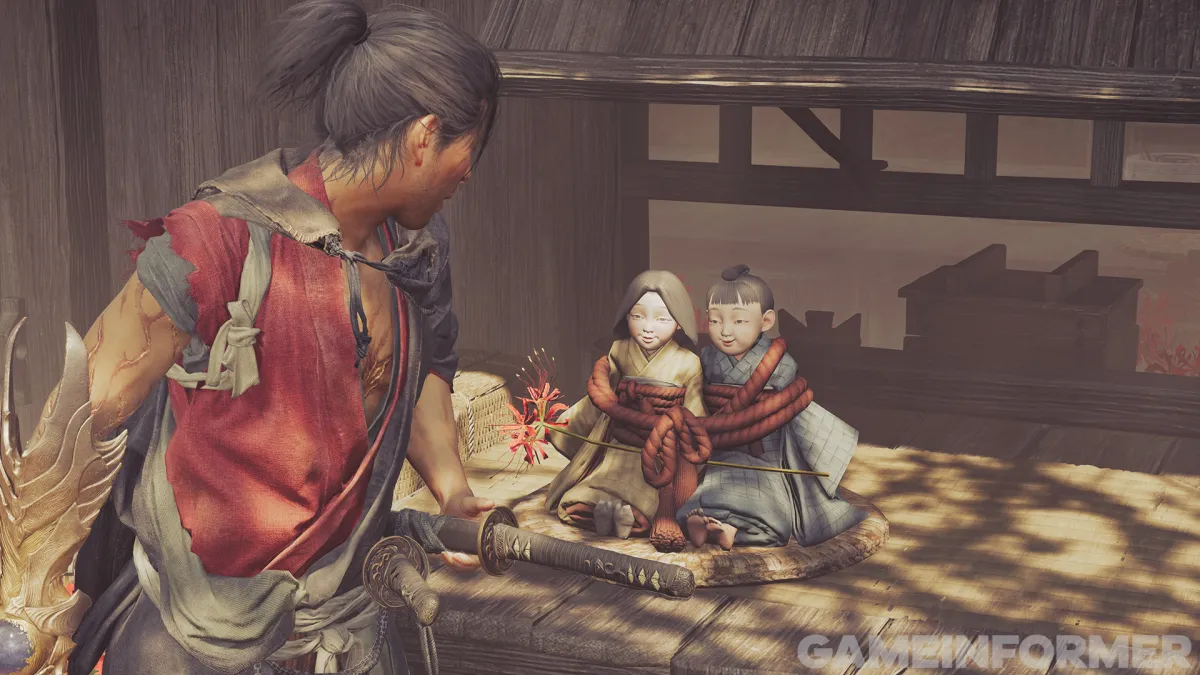
!Game Informer News(https://gameinformer.com/sites/default/files/styles/bodydefault/public/2026/07/15/58ce1b15/380onimusha02.jpg.webp) Welcome to September 2026, which will forever be known as pre-pre-GTA VI month. Alternatively, it might be known as the month when every single video game came out. We're already feeling the weight of the September gaming waterfall, but the water is invigorating, if a bit intense. We have lots of game recommendations below (and we didn't even cover everything this week, frankly), but before we get to that, here are some of our biggest stories of the week. - Everything Announced At The September 2026 PlayStation State Of Play(https://gameinformer.com/state-of-play/2026/09/03/everything-announced-at-the-september-2026-playstation-state-of-play) - Xbox Announces Monthly Hour Limits To Cloud Gaming Are Coming In November(https://gameinformer.com/2026/09/03/xbox-announces-monthly-hour-limits-to-cloud-gaming-are-coming-in-november) - The Blood of Dawnwalker Review - Time Doesn't Heal All Wounds(https://gameinformer.com/review/the-blood-of-dawnwalker/time-doesnt-heal-all-wounds) - Everything Konami Showed At Its 2026 Press Start Showcase(https://gameinformer.com/2026/09/03/everything-konami-showed-at-its-2026-press-start-showcase) - Onimusha: Way of the Sword Review - Excellent Action With Some Aging Elements(https://gameinformer.com/review/onimusha-way-of-the-sword/excellent-action-with-some-aging-elements) - Everything Shown At The September 2026 State Of Play Japan(https://gameinformer.com/state-of-play/2026/09/03/everything-shown-at-the-september-2026-state-of-play-japan) !Game Informer News(https://gameinformer.com/sites/default/files/styles/thumbnail/public/2026/07/15/02c3ec7f/380onimusha24.jpg.webp) Onimusha: Way Of The Sword Welsey LeBlanc Remember that old samurai Onimusha series from the early 2000s that was basically Resident Evil with swords, and it was really cool and something you may or may not have played at your friends’ house because your parents wouldn’t buy it for you because of demons and blood? Well, guess what: it’s back. Onimusha: Way of the Sword is the first new Onimusha game from Capcom in over two decades, and after covering it all month long for Game Informer’s cover story hub(https://gameinformer.com/Onimusha), I’m happy to report that the final game is absolutely worth your time and money. The combat is incredible – challenging, intricate, complex, and constantly building on itself. The characters and setting are good fun, too, and though it has more repetition in its combat arena design than I’d prefer, you still get to kill stuff with protagonist Musashi’s sword… and that’s always a great time. It’s out today, and you can read my Onimusha: Way of the Sword review(https://gameinformer.com/review/onimusha-way-of-the-sword/excellent-action-with-some-aging-elements) while it’s downloading. Oh, and if you’re worried about difficulty, don’t be: Onimusha: Way of the Sword has an incredible easy mode(https://gameinformer.com/opinion/2026/09/04/onimusha-way-of-the-swords-easy-mode-expertly-teaches-parrying-to-those-who-hate). !Game Informer News(https://gameinformer.com/sites/default/files/styles/thumbnail/public/2026/08/29/6fba7ccd/the-blood-of-dawnwalker-10.jpg.webp) The Blood Of Dawnwalker Charles Harte I was optimistic about The Blood of Dawnwalker after reading my coworker Brian Shea's articles from his cover story trip, but I was still very surprised by how much I like the game. You play as Coen, a Dawnwalker (which means you're a vampire by night and a human by day) who has 30 days to save his family from an evil vampire lord. Each quest you complete advances the clock by a little, and you only have a limited amount of time before the game concludes, which means you have to pick and choose your missions carefully. What I didn't realize until playing, however, is that there's no main quest – you choose what feels important to you in your journey to save your loved ones. It's an incredibly empowering combination, and I really feel like my decisions matter when I focus on a quest to reforge an ancient sword instead of buddying up with some revolutionaries. I also enjoy the directional combat, the different mechanics in the night and daytimes, and the general atmosphere. Our reviewer Diego was a little less enthusiastic than I, so your mileage may vary, but if you're a fan of games with choice-based stories, I highly recommend The Blood of Dawnwalker. Game Informer's The Blood of Dawnwalker review(https://gameinformer.com/review/the-blood-of-dawnwalker/time-doesnt-heal-all-wounds) !Game Informer News(https://gameinformer.com/sites/default/files/styles/thumbnail/public/2026/07/06/a13751ed/orbitalsrepack06.jpg.webp) Orbitals Charles Harte I like Orbitals, but I don't love it. It's an absolutely gorgeous game with visuals inspired by 80s anime and a wicked soundtrack to match. The characters are fun and charming, and even the menus are expressive and unique. The vibes are immaculate, but the actual gameplay is just okay. It's co-op only, and you'll spend its 6-hour runtime collaborating with a partner to solve puzzles and save your home space station. I just wasn't impressed with the game itself – it has some good ideas, but fails to meaningfully stand out the way similar co-op-only games do. I also don't love the story, but it's admittedly not much of a hurdle until the final moments. Despite those gripes, it's still such a joyous experience that I recommend it nonetheless. If the art style draws you in, you're in for a pretty good weekend with a friend. For my full thoughts, you can read my review here(https://gameinformer.com/review/orbitals/space-for-improvement). !Game Informer News(https://gameinformer.com/sites/default/files/styles/thumbnail/public/2026/09/03/8e9fb91c/halloweenpromo2.jpg.webp) Halloween: The Game Wesley LeBlanc Friday the 13th: The Game developer IllFonic has finally made the asymmetrical horror game I’ve been wanting since playing as Jason and camp counselors, and it’s called Halloween: The Game and is out now. Kind of. IllFonic is doing the whole “pay for the more expensive edition and get early access to it” thing I hate (because it preys on FOMO and is just generally lame), so you can technically hop in right now. But if you decide to wait for the real launch, that’s next week, on September 8. Either way, I recently wrapped up its single-player campaign (IllFonic’s first) and am starting my multiplayer journey ahead of reviewing the game sometime next week. If you’re a fan of John Carpenter’s Halloween, this single-player campaign is a passionate love letter to it… but it’s also only a couple of hours long and basically a glorified tutorial for actually playing as Michael Myers(https://gameinformer.com/impressions/2026/09/03/playing-halloween-the-games-single-player-campaign-is-a-tutorialized-love) in the game’s primary multiplayer experience. So, would I recommend picking this game up for just its campaign? No, absolutely not. But if you’re a fan of asymmetrical horror games, or if you’ve never tried an IllFonic joint (they’re good fun, with or without friends to join you), Halloween: The Game is shaping up to be great. !Game Informer News(https://gameinformer.com/sites/default/files/styles/thumbnail/public/2026/09/04/8cf1671a/ss3be98f7aa5571d947067dea8c8bc0d6652979faf.1920x1080.jpg.webp) Crimson Moon Marcus Stewart Crimson Moon has Souls-inspired combat, but it isn’t a true Soulslike. It’s actually more of a roguelike thanks to its run-based blueprint, where you embark on missions as a nephlim (a human-angel hybrid) to slay a bevy of grotesque and dangerous demons. I’m not sure entirely why – I’m sure it benefits whatever version of Earth this is – but you’ll likely not care too much because the combat is completely serviceable, the run-based format is more forgiving since you have multiple lives before you start over, and the elaborate presentation is impressive for a $20 game. While it’s not perfect, Crimson Moon offers a pretty good time, likely even more so if you rope in a friend for two-player co-op. I played the first two hours of the game on a stream this week, so be sure to check out that VOD if you want a better look at Crimson Moon in action. !Game Informer News(https://gameinformer.com/sites/default/files/styles/thumbnail/public/2026/09/04/abaef2c7/ss2a04508bf934834c93cfe5c91f27f45d3043a83d.1920x1080.jpg.webp) NBA 2K27 Brian Shea The NBA 2K series is perpetually the most frustrating sports game franchise. It possesses quite possibly the best gameplay, visuals, and Franchise mode in all of sports gaming, but so many of its other offerings are riddled with microtransactions in ways that feel, at times, more aggressive than many free-to-play titles. This year, developer Visual Concepts seems to have dialed back the microtransactions in MyCareer, the single-player focused mode, allowing you to largely avoid the live-service billboard that is The City in favor of focusing on your created player's career, but the elements are still there if you step outside the comfort of your player's apartment. However, now you can choose whether you want to play through a narrative prologue where your character rehabilitates from a career-threatening injury to make it to the NBA, skip straight to the NBA action, or even play in a different era of the NBA; playing at a time when titans like MJ and Shaq were dominating the courts is a really nice touch. And that time-travel ability continues to extend to the still-excellent Franchise mode, making this a solid entry in the long-running king of the court. !Game Informer News(https://gameinformer.com/sites/default/files/styles/thumbnail/public/2026/09/04/68d54de8/screen01.jpg.webp) Marsupilami 2: Salsa Palombia Matt Miller This under-the-radar title could be easily overlooked, but for fans of classic 2D platformers (especially in the vein of Donkey Kong Country) that would be a mistake. This is a charming and approachable platform adventure that can be played either solo or with a partner, in which you happily bounce and swing through jungle (and other) environments, collecting pick-ups, uncovering secrets, and mastering a surprisingly nuanced control scheme. While the game starts out very approachable, the levels gradually ramp up to offer significant challenge, demanding you master the three marsupilami characters' distinct movesets as you switch between them on the fly. Catchy music, vibrant visuals, and finely tuned gameplay all help this game hit some impressive notes. There's also a fun unlockable "Salsa Mode" that uses the in-game music to ramp you up into a combo of pick-ups before your meter vanishes, leading to a fun and replayable twist on the already-played levels. There's barely any real story here in the game, so don't worry that the "2" in the title is going to leave you confused. The game is an outgrowth of a long-running Belgian comic book character, but rest assured, the taut and enjoyable gameplay of this particular project requires no special French connection to enjoy. Find the game on PS5, Xbox Series X/S, Switch, or PC. !Game Informer News(https://gameinformer.com/sites/default/files/styles/thumbnail/public/2025/10/16/af0c20dd/keeperscreenshot4.jpg.webp) Keeper Kyle Hilliard The various Microsoft layoffs have been devastating for the gaming industry and the long-term impact of all that destruction won't be clear for some time, but one little hopefully bright spark of optimism in that darkness is that developer Double Fine (creators of Psychonauts and lots more) were able to spin-off and become independent again. That process wasn't without its difficulties as Double Fine had to do some layoffs(https://gameinformer.com/2026/07/28/double-fine-announces-layoffs-following-split-from-xbox), but the important detail is that Double Fine is still making games and that's good news. Double Fine's penultimate game with Microsoft was Keeper, a game where you play as a sentient lighthouse, and it's available now on PlayStation 5. Keeper coming to PlayStation 5 was likely already in process before the studio was forced to spin off, but its release feels a little extra special considering its Microsoft separation and newfound re-independence. Who knows exactly how the ownership of Keeper works. It's entirely possible Microsoft is profiting on sales of the PlayStation 5 version, but it feels like it belongs to Double Fine, which I hope it does. For more on the game, which Matt Miller described as "an astonishingly beautiful visual experience," you can read Game Informer's Keeper review(https://gameinformer.com/review/keeper/surreal-wonder) at the link. !Game Informer News(https://gameinformer.com/sites/default/files/styles/thumbnail/public/2026/09/04/58fb52d9/fibbage.jpg.webp) Tabletop Pick – Fibbage Matt Miller Longtime fans of Jackbox Games' many excellent party video game releases likely need no introduction to the concept of Fibbage. It's been a popular and included option in various iterations of the series since 2014, and playing the video game version remains a most amusing time. But we all enjoy a break from our screens from time to time, and the popularity of the video game version has driven Jackbox to release a physical card game that perfectly captures the same fun while gathered around a table. In this version, players take turns reading a card with an unusual piece of trivia upon it, such as "In March 2006, a burglar in Osaka, Japan, knew he screwed up when he broke into a building that contained 20 . The answer (in this case "Sumo Wrestler") is written on a whiteboard by the player who revealed and read the card, while everyone else writes down their own pretend answer. Players then vote on which answer is actually true, with points for the player who tricks the most people, and an additional bonus point for the funniest answer. It's all quite lighthearted and silly, and this card game version ably stands by its original digital counterpart as an ideal pick for your next get-together with friends.

🎮 Control
GameNewsabout 7 hours ago