Apple's Near-Perfect Sci-Fi Series Gets Even More Ambitious (and More Heartbreaking) in Season 2
Overview & Key Takeaways
In its best moments, Dark Matter rivals Severance and Silo
In the first season of Apple TV’s adaptation of Blake Crouch’s bestselling sci-fi novel Dark Matter, physicist Jason Dessen (Joel Edgerton) travels through numerous alternate universes trying to find his way back home. Some are nightmarish, locked in endless winter or infested with killer wasps. But others are frustrating because they’re so close to his own reality that he gets his hopes up, only to face disappointment.
If the multiverse were real, there would be a world very close to our own where Dark Matter season 2 wasone of the best sci-fi TV shows on streaming, joining the ranks of Apple’s Pluribus and Severance. But while the series is never a disaster, and its second season has moments of transcendent brilliance, it doesn’t quite live up to Crouch’s ambitions.
Uncharted territory
 Image: Apple TV
Dark Matter season 1 was a fairly faithful adaptation of Crouch’s 2016 book, where Jason is kidnapped by a version of himself (called Jason 2) who invented a box capable of multiversal travel and decided what he really wanted was domestic bliss. It ended with Jason reuniting with his wife Daniela (Jennifer Connelly) and teenage son Charlie (Oakes Fegley), who all flee their reality to escape from many other versions of Jason. Crouch is effectively penning a sequel as showrunner and head writer of season 2, alternating between the very personal drama at the core of season 1 and a broader story about the implications of multiversal travel.
The season gets off to a rocky start as it retreads the Dessen family’s problems while laying out numerous intersecting plots involving all the supporting characters Jason has become quantumly entangled with. Jason’s chemist friend Ryan Holder (Jimmi Simpson) and his former multiverse-traveling companion Amanda Lucas (Alice Braga) are taking on Jason’s quest of trying to get back to their own reality while stumbling through apocalyptic versions of Chicago. The tech entrepreneur Leighton Vance (Dayo Okeniyi), who helped Jason 2 invent multiversal travel, has set himself up as a benevolent version of Marvel’s villain Kang, teaming up with other versions of himself to try to acquire the best technology in the multiverse. The fallout from the chaos at the end of last season triggers an investigation that feels like a shallow imitation of Netflix’s 2023 miniseries Bodies.
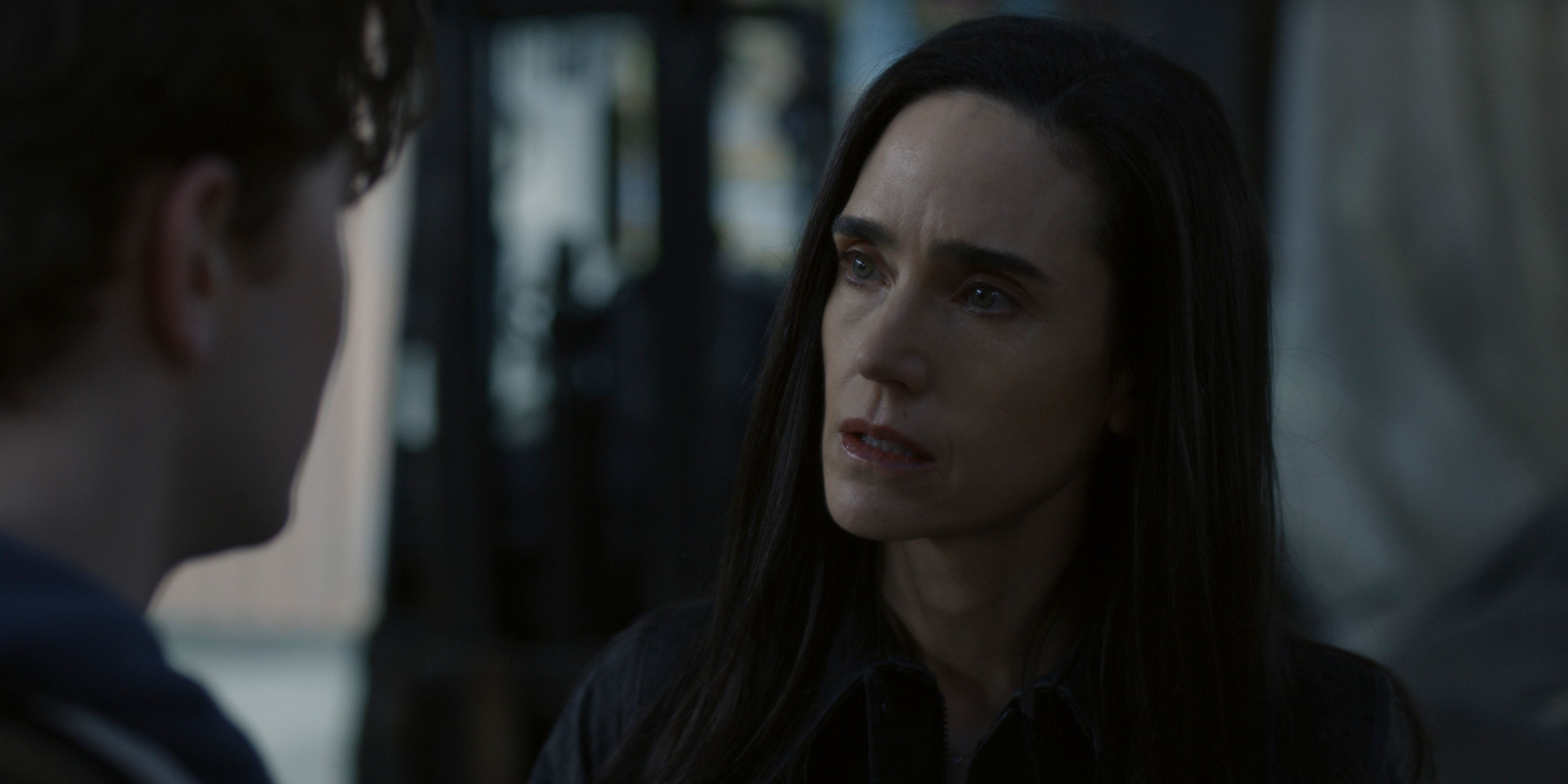
All those disparate plot threads are juxtaposed against the far more personal stakes that made season 1 such a grounded, thoughtful work of speculative fiction. After fighting so hard to get back to his family, Jason discovers that it’s impossible to really recover the life he lost. Edgerton and Connelly have fantastic chemistry, and it makes the scenes focused on the strain in their relationship even more fraught. A beautiful, quiet episode gives Daniela some needed character development that adds extra pathos to the already deeply disturbing idea of discovering the man you married isn’t who he claims to be.
 Image: Apple TV
Those personal, meditative moments are where the show is at its strongest. Storylines focused on the threat of a deadly plague, Leighton’s ambitions, or being held in a government black site are never as compelling as the ones that grapple with identity, loss, and love. When Charlie wants to travel to a multiverse where his twin brother is still alive, Jason warns him “that box is so dangerous because it’s tempting you with infinite regret.” It’s a beautiful crystallization of the themes that have made multiversal travel one of the most popular plot devices in modern sci-fi.
When Crouch and co-writer Jacquelyn Ben-Zekry really dig into what living with that sort of regret means, they craft some of the year’s best television. An episode following one of the versions of Jason left behind at the end of season 1 goes light on dialogue and shows off Edgerton’s talent as he uses mostly body language to convey the transition from the depths of despair to unexpected contentment. Margo Martindale elevates everything she’s in, and her role as a recluse who finds new purpose in the chaos Jason brings to her door is another highlight of the season.
Dark Matter still isn't truly great
Close
 Image: Apple TV
 Image: Apple
 Image: Apple
 Image: Apple
Season 1 was about the lengths a man will go to in order to be with the love of his life, but season 2 takes a more skeptical look at what that love even means. Much like how The Good Place eventually dismissed the idea of a soul mate, Dark Matter warns against letting an imagined perfect life get in the way of achievable happiness. Ultimately, Dark Matter is a story about how hard it is to live with yourself. That’s metaphorical, as characters grapple with the decisions they’ve made and the ambitions they haven’t fulfilled, and literal, as Leighton’s schemes put him face to face with his own darkest impulses.
Jason is confronted with the mediocrity of his professional achievements when he meets a version of himself who has created the most consequential technology in the world. Likewise, Crouch has shown he’s capable of making brilliant television, but the show isn’t consistent enough to be truly great. Chasing perfection may be a source of infinite regret in Dark Matter, but I hope that Crouch has the chance to keep trying in future seasons since he’s come so close.
Dark Matter premieres on Apple TV on Aug. 28. New episodes air weekly on Friday through Oct. 30.