5 Times Disney’s Sci-Fi Ambitions Crashed and Burned at the Box Office
🎮 Multi-platformNews
#Entertainment#Lightyear#Mars Needs Moms#Tomorrowland#Strange World

5 Times Disney’s Sci-Fi Ambitions Crashed and Burned at the Box Office

Polygon RSS FeedRyan Epps6 min read(about 5 hours ago)

Overview & Key Takeaways

Disney has made some enormous bets on science fiction over the years, but these five sci-fi films went particularly spectacularly wrong.

Disney has never shied away from high-stakes science fiction. By rendering Pixar’s digital landscapes and mapping Marvel’s cosmic universe, the studio has spent decades proving audiences will follow it into the unknown. But alongside those massive triumphs sit more than a few eye-wateringly expensive gambles that completely cratered at the box office.

These aren’t just mild disappointments; they're tentpole releases backed by huge budgets, A-list talent, and groundbreaking VFX. Some were pitched as the next Pirates of the Caribbean, while others were original concepts meant to spawn new franchises.

Yet even a headline-grabbing box office run can mask a total financial disaster once production and marketing costs enter the ledger. From dead-on-arrival franchise starters to high-concept animated flops, these are five of Disney’s biggest sci-fi box office catastrophes — and a brief look at how they went so spectacularly off the rails.

Lightyear (2022)
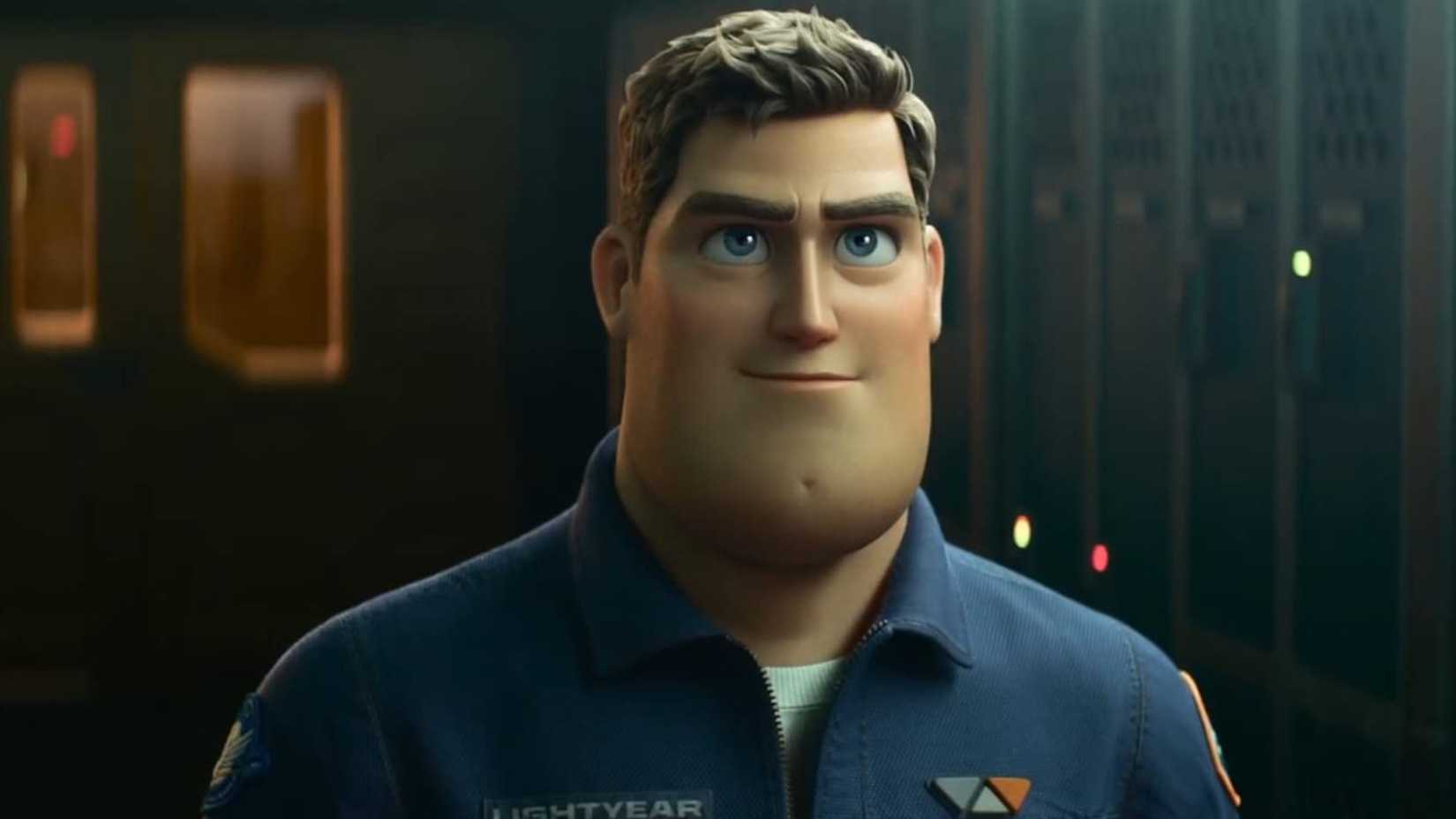
Lightyear Image: Disney

Dedicated entirely to Buzz Lightyear, one of the most recognizable characters in the Toy Story franchise, 2022's Lightyear had perhaps the safest concept on this list. Despite that, it inevitably became one of Pixar's rare theatrical disappointments. Directed by Angus MacLane, the film was pitched as the in-universe blockbuster that inspired the original Toy Story action figure. With Chris Evans replacing Tim Allen as the voice of Buzz, Pixar used the spinoff to trade its usual toy-centric antics for a surprisingly conventional sci-fi adventure.

The concept proved more confusing than it sounded. In the wake of Soul and Turning Red, audiences had grown accustomed to Pixar movies arriving on Disney Plus, while Lightyear was asking them to return to theaters for a spin-off rather than another Toy Story sequel. The film’s $50.6 million domestic opening was well below expectations, and the movie grossed $226.4 million worldwide against a reported $200 million budget.

According to Deadline, Lightyear lost Disney around $106 million, making it less catastrophic than movies like John Carter or Strange World, but arguably more surprising. Disney wasn't betting on an unknown property, but leveraging one of the most beloved characters from Pixar's toy chest to get audiences back into movie theaters.

Mars Needs Moms (2011)
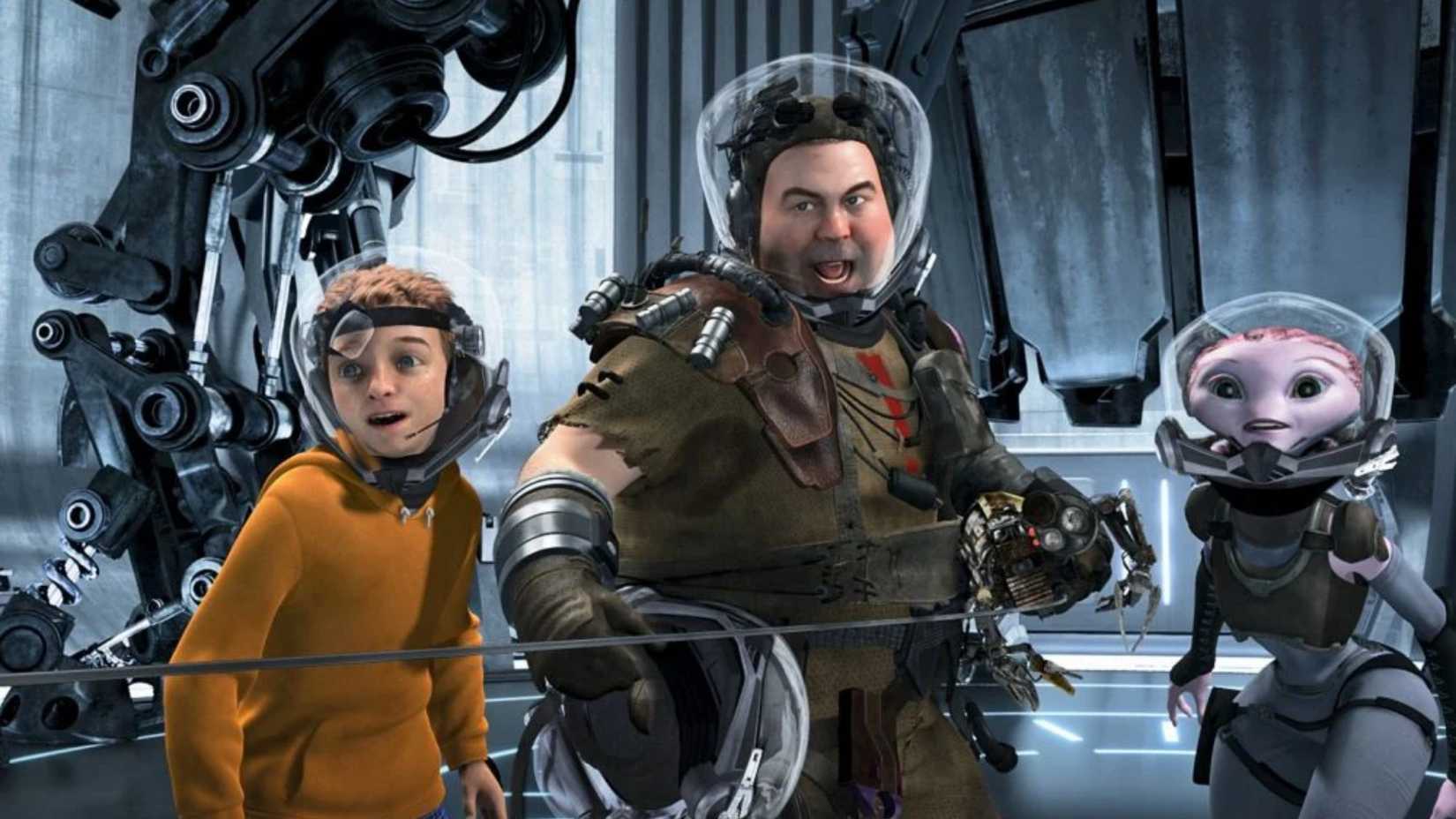
marsneedsmoms-1000x600 Image: Disney

Before Disney lost hundreds of millions on John Carter, it had already received a warning from Mars.

Mars Needs Moms was an ambitious motion-capture animated science fiction adventure directed by Simon Wells, with Robert Zemeckis — director of Forrest Gump, Cast Away, and the Back to the Future trilogy — among its producers. It follows a young boy who travels to Mars after aliens abduct his mother. The premise was simple enough, but the execution was an extraordinarily expensive gamble.

Disney spent approximately $150 million producing the movie, plus tens of millions more on marketing. Audiences responded with almost complete indifference. It opened to only $6.9 million in North America and eventually made only $39.2 million worldwide. The disaster had consequences beyond the movie itself, as Disney would later shut down ImageMovers Digital, the motion-capture animation company behind the film, after film's poor prospects became apparent. Disney ultimately took a roughly $70 million write-down related to Mars Needs Moms, while contemporary estimates put the overall loss substantially higher.

Tomorrowland (2015)
tomorrowland-movie.0.1462605274 Image: Disney

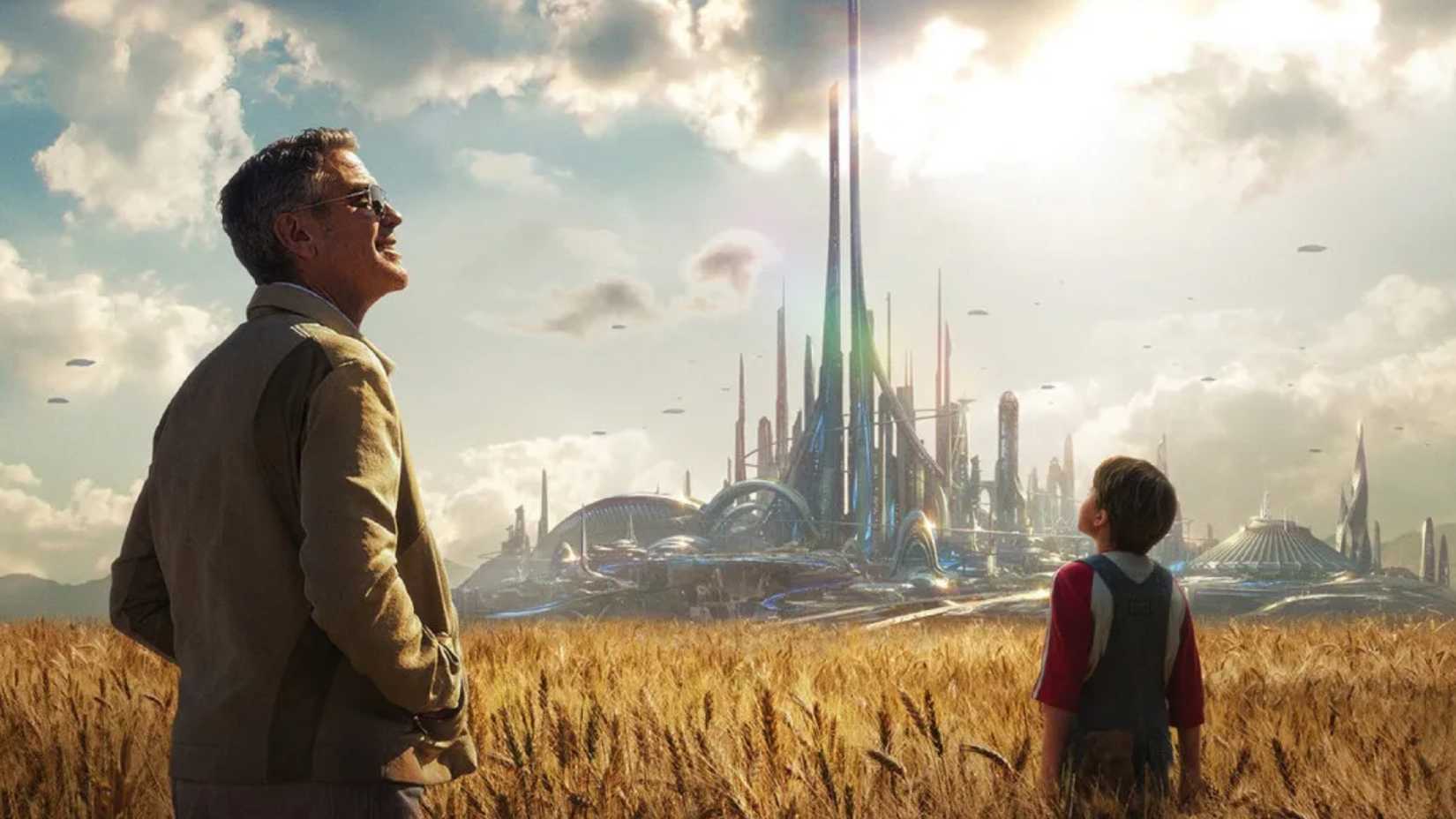
Tomorrowland might be Disney's most fascinating sci-fi flop because the studio wasn't trying to revive an old franchise, but was attempting to create a new one. Brad Bird, coming off Mission: Impossible – Ghost Protocol, teamed with Damon Lindelof for an original science fiction adventure starring George Clooney and Hugh Laurie. Based loosely around Walt Disney's Tomorrowland concept (an optimistic vision of the future rooted in space exploration and scientific progress), the film imagined a mysterious futuristic world where humanity's brightest minds had created a utopia hidden away from the rest of the planet. Think Disney’s answer to Atlas Shrugged.

While it sounded like the perfect ambitious blockbuster for Disney on paper, the film's marketing campaign proved disastrous. Disney deliberately kept much of the story secret, leaving audiences with no idea what they were actually being asked to see. The $190-million production opened to just $33 million domestically and eventually made $209 million worldwide. The Hollywood Reporter estimated Disney's losses at between $120 million and $140 million, making Tomorrowland one of the studio's most expensive original failures of the era.

The irony of Tomorrowland is that it attempted exactly what Hollywood desperately needs: a big-budget, original blockbuster untethered to a comic book, sequel, or existing franchise. Audiences just didn’t take the bait.​​​​​\

Strange World (2022)

Strange World Image: Disney

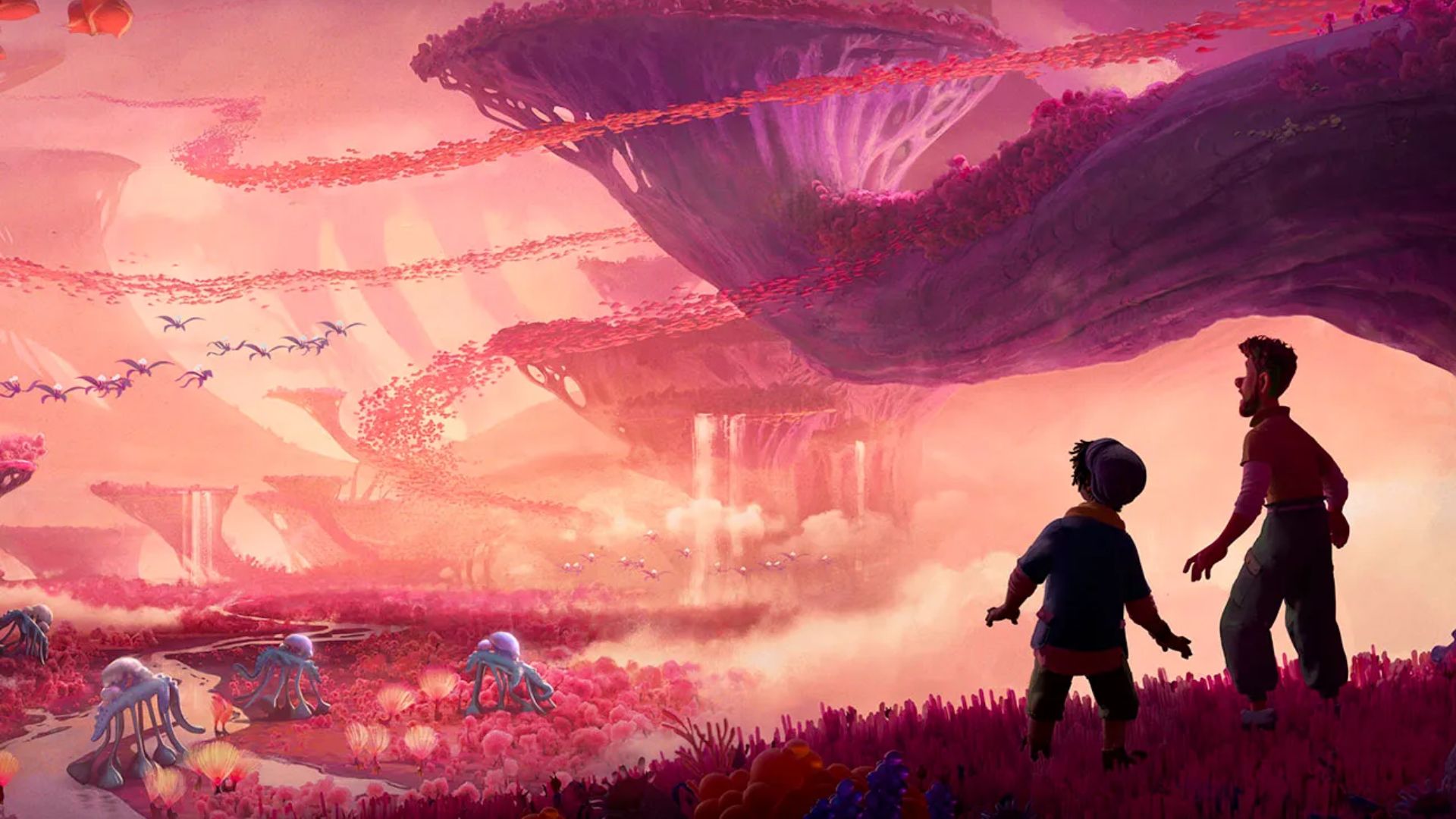
Strange World had almost everything Disney's animated movies are supposed to have: a colorful alien world, a family adventure, a talented Disney Animation team, and a huge theatrical release. What it didn't have was an audience. Directed by Don Hall, the movie follows three generations of the Clade family as they venture into a bizarre underground world filled with strange creatures. It was essentially Disney making a pulpy science fiction adventure in the tradition of old movie serials, but it just didn’t click with wider audiences at the time.

Strange World opened Thanksgiving weekend in 2022 and finished with only about $73.6 million worldwide, against a production budget of $180 million. The financial damage was even worse once marketing and other expenses were considered. Deadline’s analysis put the film's total expenses at roughly $317.4 million and calculated a loss of around $197 million after factoring in its various revenue streams.

Like Lightyear, the film fell victim to Disney’s pandemic-era distribution strategy. After years of treating Pixar and Disney Animation releases as unmissable theatrical events, audiences had been trained to simply wait for them to hit Disney Plus. That made convincing families to buy a ticket for an unproven, original adventure incredibly difficult, turning Strange World into yet another costly financial headache for the studio.

​​​​John Carter (2012)

john-carter-7 Image: Disney

Few movies have become shorthand for a Hollywood disaster quite like John Carter. Disney wanted the 2012 sci-fi adventure to kick off its next major franchise, adapting Edgar Rice Burroughs' century-old Barsoom novels that had already influenced everything from Star Wars to Avatar. The studio handed the movie to Andrew Stanton, fresh off Pixar hits like Finding Nemo and WALL-E, and gave him an enormous live-action canvas to work with.

Virtually everything surrounding John Carter became a warning sign. Terrified by the recent failure of their animated flop Mars Needs Moms, Disney executives concluded that the word "Mars" was toxic to audiences. They dropped the evocative "of Mars" from the title, saddling the epic with the aggressively generic name John Carter. And since the marketing couldn't clearly explain the premise, the film's out-of-control budget became the primary narrative.

John Carter cost roughly $250 million to produce and another $100 million to market, yet opened domestically to just $30.2 million. While the film eventually scraped together $284.1 million worldwide, that wasn't anywhere close to enough to cover Disney’s investment. The studio eventually acknowledged that it expected to take an operating loss of approximately $200 million, turning Stanton's would-be franchise starter into one of Disney’s most infamous failures.
Share:

More in Multi-platform

5 Must-Play New Steam Games to Try This Weekend🖥 PC, Multi-platform

5 Must-Play New Steam Games to Try This Weekend

Steam added a lot of fascinating new games this week, including Mortal Shell 2. These are five to dig into this weekend.

PolygonNewsabout 8 hours ago
'Pokémon' Free August 2026 DLC Confirmed for Pokémon Worlds🎮 Multi-platform

'Pokémon' Free August 2026 DLC Confirmed for Pokémon Worlds

Pokémon Champions, Pokémon Unite, Pokémon Go, and all of the TCG games are celebrating Pokémon Worlds in some way

🎮 Pokémon🎮 Pokemon
PolygonNewsabout 9 hours ago
The Video Games You Should Play This Weekend – August 21, 2026🎮 Multi-platform

The Video Games You Should Play This Weekend – August 21, 2026

!Game Informer News(https://gameinformer.com/sites/default/files/styles/bodydefault/public/2026/08/21/ab7f3781/ss6fcc059aaf60ab486c8947a8613e61f5efaa40c5.1920x1080.jpg.webp) Happy weekend to you! Look – usually I try to have some kind of relevant detail in this opening paragraph related to what happened this week, or what to look forward to this weekend, but there is simply no time today. Have some links. Have some recommendations. My brevity today and the clear need to leave and prep other things will make sense next week, I promise. We have a busy (but exciting) one ahead of us. - Onimusha: Way Of The Sword Shines A Light On One Of Japan’s Most Important Women(https://gameinformer.com/exclusive-feature/2026/08/20/onimusha-way-of-the-sword-shines-a-light-on-one-of-japans-most) - The Duskbloods Preview – A Hands-On Breakdown Of From Software’s Exciting, Surprising, And Dense Take on Competitive Multiplayer(https://gameinformer.com/preview/2026/08/20/a-hands-on-breakdown-of-from-softwares-exciting-surprising-and-dense-take-on) - FromSoftware Closes The Duskbloods' First Closed Network Test Session Due To Rampant Server Issues(https://gameinformer.com/2026/08/21/fromsoftware-closes-the-duskbloods-first-closed-network-test-session-due-to-rampant) - Riot Games Will Cease Active Development For League Of Legends Fighting Game 2XKO In December(https://gameinformer.com/2026/08/20/riot-games-will-cease-active-development-for-league-of-legends-fighting-game-2xko-in) - Everything We Learned Playing The Duskbloods At FromSoftware | New Gameplay Today(https://gameinformer.com/new-gameplay-today/2026/08/20/everything-we-learned-playing-the-duskbloods-at-fromsoftware-new) - You Can Help Decide Double Fine's Next Project In Its Upcoming Game Jam Livestream(https://gameinformer.com/2026/08/21/you-can-help-decide-double-fines-next-project-in-its-upcoming-game-jam-livestream) !Game Informer News(https://gameinformer.com/sites/default/files/styles/thumbnail/public/2026/08/21/bb9ca007/ss531ae06deb0827d686528d98ff36f0e214b2042c.1920x1080.jpg.webp) The Sinking City 2 Marcus Stewart I’ve always heard The Sinking City described as a respectable but flawed survival-horror experience (though practically a must-play if you love H.P. Lovecraft). I never played it, but that's okay because The Sinking City 2 is a completely standalone story starring a different protagonist, making it a perfect entry point. I’m several hours into the adventure and am generally enjoying its eerie atmosphere and its 1920’s Lovecraftian art direction, even if its Resident Evil-inspired gameplay, while serviceable, is a step or two below the lofty bar set by Capcom’s flagship horror series. I like the game’s emphasis on puzzle-solving and connecting clues to solve investigations, letting me test my noggin in a more detective-like manner. Lovecraft fans will be happy to know this game is appropriately strange, quirky, and often disturbing. If you’ve already played Resident Evil Requiem this year and need to scratch another survival-horror itch, The Sinking City 2 offers, from what I’ve played thus far, a totally solid experience. !Game Informer News(https://gameinformer.com/sites/default/files/styles/thumbnail/public/2026/08/21/bf49b722/ssfc46102e8b399d52316625f9be195e9cbe33d39f.1920x1080.jpg.webp) Trails in the Sky 2nd Chapter Demo Eric Van Allen It feels like just last year that we got a remake of the first Trails in the Sky game, and that's because it was! Nihon Falcom is back with the second entry in its remade Sky saga on September 17, but a demo is out now if you want to dip in early. The Trails 2nd demo will let you carry save progress forward into the main game, as the best of demos do, so it's a nice way to get a little taste of what's to come in the next entry. I do highly recommend you play all of Trails in the Sky 1st Chapter before playing any of the 2nd Chapter; some big plot revelations happen in the final hours of 1st Chapter, and you wouldn't want to spoil yourself on them. But for Trails fans, this is pretty exciting. I'm very eager to return to Estelle's journey as an up-and-coming Bracer prodigy, and to finally start uncovering some of the broader mysteries surrounding all the drama in Liberl that played out in 1st Chapter. !Game Informer News(https://gameinformer.com/sites/default/files/styles/thumbnail/public/2026/08/21/f35c98b4/dogpilescreenshot3.png.webp) Dogpile Charles Harte When Dogpile came out on PC in December 2025, I had a blast playing it, but mostly found myself wishing it was on a different platform. Its bright art style and straightforward design seemed like a perfect fit for Switch or a mobile app, but it wouldn't be until this week that that wish would come true; as of yesterday, Dogpile is out on iOS, Android, and Switch 1 & 2. The easiest recent game to compare it to would be Suika Game, where players combine matching fruits by dropping them in a tank and hoping physics will help you drop them in the right place. 2048 is another easy comparison, though it lacks the physics element. Dogpile takes this idea, but trades fruit or numbers for various breeds of dog – combining two of the same fuses them into a single, larger dog. But Dogpile stands out with its roguelike deckbuilder mechanics. It feels like a silly, borderline nonsensical fusion, but in practice it makes perfect sense. You have a "deck" of dogs that randomly appear to be dropped on your board, and you can even give them modifiers. A dog might bark, for example, and shake up the other dogs, moving pups around to combine. But other dogs can have negative traits, like one that prevents them from fusing for several drops. There are also dog tags to collect and different decks to amass. It's a tad overwhelming to list the mechanics here, though – the thing I like most about Dogpile is how intuitive it is, and if you decide to check it out, I think you'll feel the same way. It also helps that it's free to start on mobile. !Game Informer News(https://gameinformer.com/sites/default/files/styles/thumbnail/public/2025/10/15/243c1a26/1000xRESIST%20dance.jpg.webp) 1000xResist Charles Harte I love 1000xResist, and I wrote a whole review explaining it(https://gameinformer.com/review/1000xresist/a-game-that-will-remain-and-remain), so I'm very happy to see the game launched on Switch 2 earlier this week. I played the original on Switch 1, and while it was powerful enough of a console to bring me through to the credits, the performance struggles at times. Textures are blurry, load times are long, and I even had a handful of crashes. I haven't had a chance to try the Switch 2 version yet, but developer Sunset Visitor claims it brings the game to a level of performance on par with PC, which would make for a much better experience. That said, whether you play it on Switch 2, PC, or even a Switch 1, it's a fantastic game worth checking out. With wonderfully written dialogue, intricately-woven themes, mind-boggling world-building, and memorable, flawed characters, I stand by the statement that it's one of the most ground-breaking stories in video game history.

GameNewsabout 11 hours ago